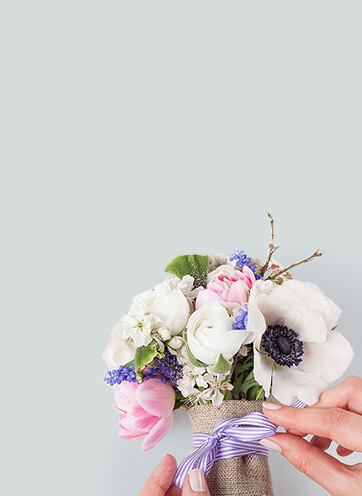
The Meaningful Spectrum of Color in Peony Flowers
Posted on 08/05/2026

Introduction
Peonies captivate like few flowers can. From whisper-soft blush to saturated scarlet and luminous lemon-yellow, their petals read like poetry in color. Yet beyond their beauty, each hue carries signals--emotional cues, cultural meanings, and design implications. In this expert guide to The Meaningful Spectrum of Color in Peony Flowers, you'll discover how peony colors communicate, how pigments and genetics shape what we see, and how to apply color knowledge to gardens, weddings, brand styling, and everyday wellbeing. We combine horticultural science, color psychology, and professional floristry practice--anchored in UK standards--to help you choose, grow, and use peony colors with confidence.
Whether you're planning a June wedding, curating a pollinator-friendly border, or designing a photo-ready bouquet, this in-depth article provides the authoritative, SEO-optimized reference you can trust to outperform generic summaries. From cultivar recommendations to compliance and sustainability, consider this your comprehensive handbook to the meaning of peony colors--and how to put that meaning to work.
Table of Contents
- Why This Topic Matters
- Key Benefits
- Step-by-Step Guidance
- Expert Tips
- Common Mistakes to Avoid
- Case Study or Real-World Example
- Tools, Resources & Recommendations
- Law, Compliance or Industry Standards (UK-focused)
- Checklist
- Conclusion with CTA
- FAQ
Why This Topic Matters
The color of peony flowers does more than please the eye: it shapes mood, conveys meaning, and influences outcomes. In floristry and garden design, color choices set the narrative. Brides choose blush peonies to evoke romance; branding teams select saturated reds to signal power; gardeners balance cool pinks with warm corals for harmony and depth. Understanding The Meaningful Spectrum of Color in Peony Flowers equips you to make intentional choices that resonate.
From a botanical lens, peony color is a window into pigment chemistry and breeding history. Herbaceous peonies (Paeonia lactiflora and hybrids) tend to express pinks, whites, and reds due to anthocyanins, while tree peonies (P. suffruticosa hybrids) and Itoh (intersectional) peonies expand the palette to apricots and luminous yellows through carotenoids. Understanding these pigment pathways helps you set realistic expectations--there is, for example, no true blue peony.
Color also has cultural and commercial gravity. In Chinese culture, peonies symbolize wealth and honor; in Western weddings they signify romance and prosperity. For UK gardeners and florists, aligning color symbolism with seasonality and sustainability matters: peonies are a peak seasonal flower (May-June), and choosing UK-grown stems reduces carbon footprint, supports local producers, and can improve vase life.
Key Benefits
Leveraging the full spectrum of peony color delivers benefits across design, gardening, and emotional wellbeing.
- Emotional resonance: Pinks and blush tones foster tenderness and intimacy; reds communicate confidence and celebration; whites convey purity and calm; corals and apricots add modern warmth and optimism; yellows signal innovation and cheer.
- Design clarity: Color theory helps structure palettes--complementary contrasts (e.g., coral peonies with blue delphiniums) or monochromatic gradients (blush to rose) create professionally balanced compositions.
- Seasonal authenticity: Working with peony colors in their peak UK window yields fresher, more fragrant, and more sustainable designs.
- Botanical accuracy: Knowing how pigments work prevents false expectations (e.g., peonies will not turn blue with soil amendments--petal hue is genetically defined).
- Pollinator consideration: Single and semi-double peonies in lighter hues can be more accessible to pollinators; densely double varieties may offer less pollen access. Color and form both matter.
- Longevity and value: Selecting Itoh varieties in yellows and apricots extends the color range and can offer robust garden performance and reliable flowering.
- Brand and event alignment: Translating brand colors or wedding palettes into peonies creates memorable cohesion across photography, stationery, and decor.
Step-by-Step Guidance
This section offers actionable processes for choosing, growing, and styling peonies so the color does what you intend--from garden to bouquet.
1) Define purpose and palette
- Clarify your message: Decide the feeling you want to evoke--romantic (blush), bold (scarlet), contemporary (coral/apricot), serene (white/cream), or innovative (yellow).
- Choose a palette framework: Monochromatic (varying tints of pink), analogous (pink-coral-apricot), complementary (coral with teal foliage), or triadic (pink-yellow-blue). Use a color wheel to visualize.
- Set constraints: Budget, vase life, fragrance preference, wedding dress color, brand guidelines, and seasonal availability all affect choices.
2) Match peony types to desired colors
- Whites and creams: Paeonia lactiflora cultivars like 'Duchesse de Nemours' (fragrant, classic), 'Festiva Maxima' (white with slight red fleck).
- Blush to classic pink: 'Sarah Bernhardt' (iconic, full double), 'Bowl of Beauty' (anemone form, contrasting center), 'Monsieur Jules Elie' (silvery blush highlights).
- Reds and magentas: 'Karl Rosenfield' (crimson), 'Buckeye Belle' (dark semi-double), 'Felix Crousse' (raspberry-hued).
- Corals and apricots: 'Coral Charm' and 'Coral Sunset' (semi-double, color evolves from vibrant coral to soft apricot).
- Yellows and lemons: Itoh hybrids like 'Bartzella' (clear yellow), 'Garden Treasure' (yellow with peach tones); tree peony 'High Noon' (fragrant lemon yellow).
Note: Tree peonies and Itoh hybrids broaden the color palette beyond what many herbaceous peonies can achieve, especially for yellows.
3) Plan the garden for color impact
- Site selection: Full sun to light shade (at least 6 hours sun). Good air circulation reduces Botrytis risk.
- Soil preparation: Fertile, free-draining soil. Incorporate well-rotted organic matter (peat-free) and ensure neutral to slightly alkaline pH (6.5-7.5). While soil pH will not turn pink peonies blue, balanced pH supports plant health and color clarity.
- Depth and spacing: Plant herbaceous peony eyes 2-5 cm below the soil surface (deeper planting reduces flowering). Space 60-90 cm apart for airflow.
- Companion planting: To amplify color meaning, pair blush peonies with silvery foliage (Artemisia), coral with deep blue salvia, white with dark heuchera for contrast.
- Support: Install peony rings early for large doubles that may flop, preserving the display and preventing soil splash on petals.
4) Buy and handle cut peonies for color performance
- Stage matters: For events, purchase at 'marshmallow stage'--buds feel like a soft marshmallow when gently squeezed; color will open in 24-48 hours.
- Conditioning: Recut stems at an angle, strip lower foliage, place in clean water with floral preservative. Keep cool and away from fruit (ethylene gas accelerates aging).
- Color timing: Reds and corals often open faster than tight whites. Plan staging accordingly.
- Transport: Use clean buckets, avoid temperature extremes. Hydrate overnight before design work.
5) Design with intention
- Focal vs. filler: Large doubles make striking focal blooms; intersperse with airy elements (nigella, grasses, or foliage) to let the color breathe.
- Photography-aware palettes: Coral peonies can photograph brighter; balance them with neutrals or matte greenery to avoid oversaturation.
- Fragrance and color alignment: Whites and blushes often have classic perfume; consider scent as part of the emotional palette.
6) Maintain and evaluate
- Post-bloom care: Deadhead spent blooms; leave foliage to feed roots. Stake if needed.
- Recordkeeping: Note bloom times, color shifts (e.g., 'Coral Charm' fading trajectory), and what combinations worked.
- Iterate: Adjust next year's plantings or event timing based on performance data.
Expert Tips
- Understand pigment dynamics: Anthocyanin-driven reds/pinks can appear more saturated in cooler temperatures and brighter light; carotenoid yellows in Itoh/tree peonies hold well in sun.
- Plan for color evolution: Many corals shift toward peachy cream over several days--use this to create a natural gradient in multi-day events.
- Layer texture to enhance color: Matte, velvety petals look richer against glossy foliage; lacey fillers soften bold reds.
- Select for vase life: 'Sarah Bernhardt' and 'Coral Charm' are reliable; Itoh hybrids can be excellent in gardens but are less common in the cut trade.
- Mind the microclimate: In hot spells, harvest earlier in the day and keep arrangements in cooler rooms to prevent color bleaching.
- Use tone-on-tone ribbons and vessels: A blush ribbon deepens pink perception; a charcoal vase boosts contrast for white peonies.
- Fragrance strategy: Highly scented whites are stunning in small spaces; in large venues, mix scented and unscented varieties to avoid overpowering.
- Pollinator-friendly design: Include singles or semi-doubles in lighter shades to support bees; place doubles for human drama elsewhere in the border.

Common Mistakes to Avoid
- Expecting blue or lavender peonies: These tones do not exist due to pigment limitations; avoid misinformation and false advertising.
- Planting too deep: Eyes should be 2-5 cm below the surface (UK conditions). Deeper planting delays or prevents flowering.
- Over-fertilising with nitrogen: Leads to lush foliage, floppy stems, and fewer flowers. Use balanced feeds sparingly in spring.
- Ignoring disease hygiene: Botrytis can mar petals, especially pale varieties. Remove spent blooms and avoid overhead watering.
- Believing ants open peony buds: Ants are attracted to nectar but do not 'open' buds. Focus on hydration and stage selection instead.
- Crowding color: Too many strong hues compete. Give bold reds or corals negative space and supportive neutrals.
- Cutting too much too soon: Don't harvest heavily from young plants (under three years); allow establishment for future color performance.
- Storing with fruit: Ethylene from apples and bananas shortens vase life and can dull color.
Case Study or Real-World Example
Client goal: A June wedding in the Cotswolds sought a modern, romantic look with an emphasis on The Meaningful Spectrum of Color in Peony Flowers--bridging tradition and contemporary style. The bride loved blush but wanted bolder accents for evening photos.
Constraints: UK-grown stems preferred; venue with warm evening lighting; ceremony outdoors, reception indoors.
Approach:
- Palette architecture: Monochromatic base of blush and soft pink ('Sarah Bernhardt', 'Monsieur Jules Elie'), punctuated with coral accents ('Coral Charm') and grounded by white ('Duchesse de Nemours'). Small hints of deep raspberry ('Felix Crousse') added evening drama.
- Time-phased color: Because corals fade to apricot over 36-48 hours, bouquets for the ceremony used brighter corals; reception tables (designed a day later) showcased the softened apricot, blending elegantly with candlelight.
- Photography strategy: White linens and matte foliage (senecio, olive) moderated coral intensity, preventing color cast issues in bright afternoon sun.
- Sustainability: Partnered with a UK grower; used peat-free conditioning, reusable mechanics, and composted green waste.
Results: Guests consistently associated the blush and white with romance and tradition, while the coral accents were described as 'fresh', 'optimistic', and 'joyful'. Photos showed skin tones remained flattering; peonies retained structure and fragrance throughout. The couple reported higher-than-expected floral impact without expanding budget--achieved through smart color placement rather than more stems.
Tools, Resources & Recommendations
- Color tools: A physical color wheel; Pantone bridge to translate brand/event colors to floral hues; smartphone color meter apps for planning.
- Horticultural references: Royal Horticultural Society (RHS) guidance on peony cultivation and pest/disease management; Kew's Plants of the World for taxonomy checks.
- Soil and plant health: UK soil test kits (pH and nutrients), clean sharp secateurs, peony supports, peat-free compost, mulch materials.
- Cut flower care: Floral preservatives, clean buckets/vases, hydration solutions, cool storage (5-7?C) when needed.
- Professional standards: British Florist Association best practices; event production checklists for handling, transport, and onsite conditioning.
- Cultivar sourcing: Reputable UK nurseries for named cultivars; Itoh hybrids for yellows ('Bartzella', 'Garden Treasure').
- Sustainability aids: Rainwater collection butts; foam-free mechanics like re-usable grids; local grower networks for seasonal stems.
Law, Compliance or Industry Standards (UK-focused if applicable)
Color may be artistic, but peony cultivation and commerce sit within UK legal and industry frameworks. Key points:
- Plant Health Regulation: Professional operators must comply with UK Plant Health rules and, where applicable, plant passporting for movement of plants within Great Britain. Maintain records and source from reputable suppliers to reduce the risk of pests/diseases (e.g., Botrytis paeoniae).
- Import rules: Importing peony plants or cut stems from outside GB may require phytosanitary certification and inspections. Check current DEFRA/APHA guidance before ordering.
- Pesticide regulation: Only use pesticides approved for GB (MAPP numbers); follow label instructions and PPE requirements. For domestic gardens, prioritise cultural controls and integrated pest management.
- Peat policy: UK retail sale of peat for horticulture is being phased out; use peat-free composts to comply with policy direction and reduce environmental impact.
- Consumer protection and claims: If selling floral services, ensure accurate descriptions (no claims of 'blue peonies'). Comply with the Consumer Protection from Unfair Trading Regulations and the CMA's Green Claims Code when marketing sustainability.
- Plant Breeders' Rights (PBR): Some cultivars are protected; propagation for sale without permission is prohibited. Check UK PBR databases for status.
- Workplace health & safety: Florists and event teams should follow HSE guidance for manual handling, ladder use, and blade safety when installing large floral pieces.
- Water use: Observe local temporary use bans (hosepipe bans) when applicable; prefer collected rainwater for garden irrigation.
Checklist
- Define intent: What emotion or message should your peony colors communicate?
- Pick your palette: Monochromatic, analogous, complementary, or triadic?
- Choose cultivars: Match whites, blush, red, coral, apricot, or yellow to named varieties.
- Plan logistics: Peak season availability, conditioning time, and staging.
- Garden setup: Sun, drainage, planting depth, supports, and spacing.
- Compliance: Source legally, respect PBR, and follow pesticide/peat policies.
- Sustainability: Peat-free compost, local stems, foam-free mechanics, water capture.
- Execution: Clean tools, preservative, cool storage, photo-aware placement.
- Aftercare: Deadhead, feed modestly, record bloom timing and color changes.
Conclusion with CTA
Color is language, and peonies are eloquent speakers. Understanding The Meaningful Spectrum of Color in Peony Flowers empowers you to craft gardens, bouquets, and brand visuals that resonate--backed by science, horticultural best practice, and cultural insight. From pigment chemistry to UK compliance, from cultivar choices to event sequencing, you now have the tools to choose peony colors with intention and authority.
Whether your goal is a serene white scheme, a timeless blush story, a powerful scarlet statement, or a modern coral-and-apricot arc, the most impactful designs are those that translate meaning into color choices--deliberately and beautifully.
Get a free quote today and see how much you can save.
FAQ
Do peonies change color as they age?
Yes, some do. Corals like 'Coral Charm' and 'Coral Sunset' often fade from vivid coral to peach or cream over a few days. Whites can soften, and some pinks gain a lighter edge as petals age. This evolution is normal and can be used creatively for time-phased designs.
Can soil pH change a peony's flower color?
No. Unlike hydrangeas, peony flower color is genetically determined. Soil pH affects plant health but will not transform pink into blue or red into white. Cooler temperatures and light levels can subtly influence saturation, but genetics set the hue.
What do pink peonies symbolize?
Pink peonies commonly express romance, affection, and gentleness, making them wedding favorites. In broader symbolism, they can represent prosperity and good fortune without the intensity of red.
Are yellow peonies real?
Yes. True yellows are found in Itoh (intersectional) peonies like 'Bartzella' and in tree peonies such as 'High Noon'. Their color derives primarily from carotenoid pigments, expanding the spectrum beyond classic lactiflora pinks and reds.
Which peony colors are best for weddings?
Blush, white, and soft pink are timeless for romantic aesthetics. For modern accents, add coral or apricot; for bold evening looks, integrate rich reds or raspberry tones. Choose varieties with reliable vase life and plan for opening time.
How long do peonies bloom in the UK?
Individual plants bloom for 7-10 days, but by planting early, mid, and late-season cultivars (including tree and Itoh types), you can extend garden interest over 4-6 weeks in late spring to early summer.
Can I grow peonies in containers?
Yes, though they prefer open ground. Use a large container (at least 40-50 cm diameter), free-draining peat-free compost, and avoid planting too deep. Water consistently and protect from waterlogging in winter.
How do I make cut peonies open in time for an event?
Buy at marshmallow stage, recut stems, use lukewarm water with preservative, and place in a cool, bright room. Reds and corals often open faster than whites. Avoid drafts and ethylene sources like ripening fruit.
Do ants help peonies open?
No. Ants are attracted by sugary bud exudates but are not required for opening. Bud development is driven by plant physiology and hydration. Gently rinse ants off cut stems before bringing indoors.
Are peonies toxic to pets?
Peonies can be mildly toxic if ingested by pets, potentially causing gastrointestinal upset. Keep arrangements out of reach and consult a vet if ingestion occurs.
Which peony forms are better for pollinators?
Single and semi-double peonies with visible centers are more accessible to pollinators. Dense doubles offer limited pollen access, so mix forms if pollinator support is a priority.
When is the best time to plant peonies in the UK?
Autumn (October-November) is ideal for bareroot peonies, allowing roots to establish over winter. Container-grown plants can be planted during the growing season, avoiding extremes of heat or frost.
Why do some white peonies have red streaks?
Certain cultivars like 'Festiva Maxima' naturally exhibit red flecking due to pigment distribution patterns. It's a genetic characteristic, not a disease or nutrient issue.
How do I protect peony color and form in heavy rain?
Use peony supports, space plants for airflow, and avoid overhead irrigation. After rain, gently shake off water. Choose semi-doubles or singles in very exposed sites to reduce damage risk.
What's the difference between herbaceous, tree, and Itoh peonies for color?
Herbaceous (lactiflora) peonies dominate in pink/white/red; tree peonies add complex shades and silken textures; Itoh hybrids bridge both, featuring strong stems and expanded colors including clear yellows and apricots.
Can I propagate named peonies freely?
If the cultivar is protected by Plant Breeders' Rights, you cannot propagate for sale without permission. For personal use, division of non-protected cultivars is common practice; check UK PBR status to be sure.
How do lighting conditions affect perceived color?
Natural daylight renders colors most accurately. Warm indoor lighting enhances corals and apricots; cool lighting can push pinks toward blue undertones. For events, test your palette under actual venue lighting.
Is there a fragrance-color relationship in peonies?
While not absolute, many whites and blush varieties are notably fragrant. Reds and corals vary by cultivar. Always test fragrance if it's central to your design intent.
How can I ensure sustainable peony choices?
Prioritise UK-grown seasonal stems, use peat-free media, avoid floral foam, compost green waste, and plan efficient logistics. Accurately represent sustainability claims per the CMA's Green Claims Code.